
Promoting Sustainable Water Access and Environmental Restoration Across Isuikwuato
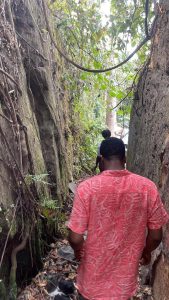
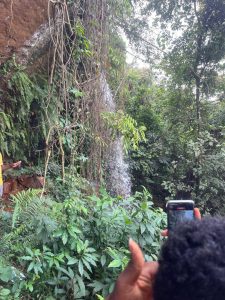
In a bold step toward improving environmental health and water sustainability in rural Isuikwuato, the Isuikwuato Environmental Advancement Advocates (ISEAA) recently embarked on a field visit to major water bodies in Umuasua, Isi Uzu Amuta, and Okpu Chukwu in Otampa. The visit was part of ISEAA’s ongoing Water Body Optimization and Community Awareness Programme aimed at promoting clean water access, ecosystem restoration, and responsible water use.
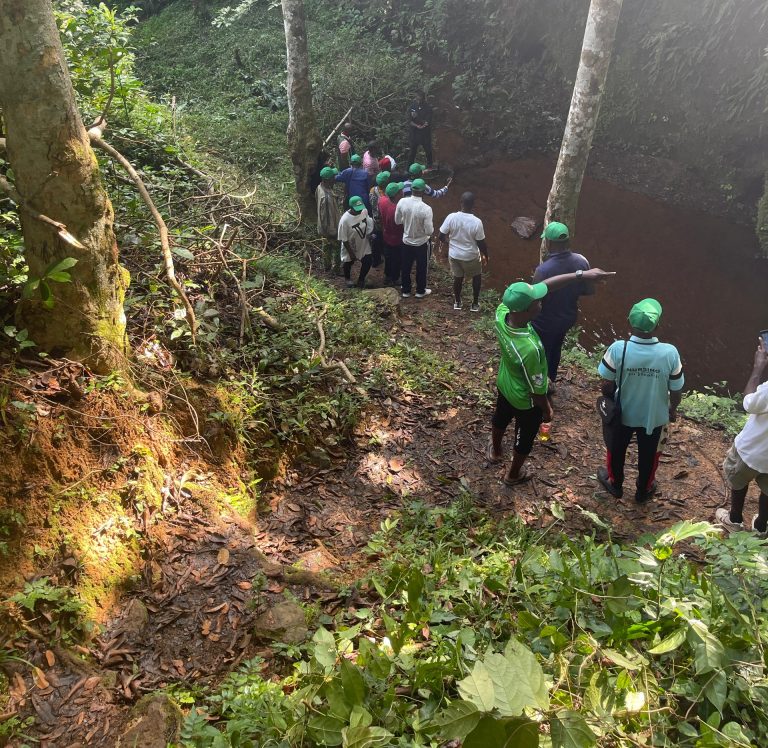
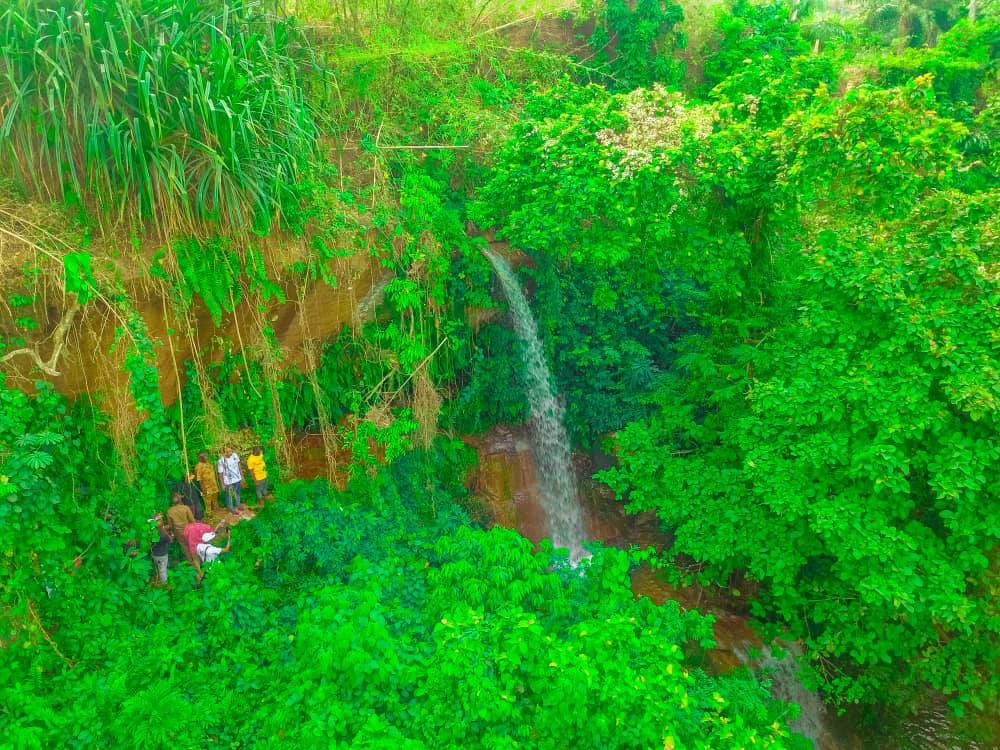
The exercise brought together ISEAA’s core team, community leaders, and youth volunteers who jointly inspected streams, ponds, and small rivers that serve as primary water sources for thousands of residents. During the visit, the team conducted visual assessments and gathered testimonies from community members on water scarcity, contamination, and seasonal fluctuations.
According to ISEAA’s Coordinator, Mr. Chimaobi Ben, the visits were essential for data collection and planning targeted interventions.
“These water bodies are the lifelines of our communities. Unfortunately, they are being degraded by waste dumping, erosion, and deforestation. We are working to reverse this trend through advocacy, clean-up drives, and climate-smart interventions,” he said.
In Umuasua, the team observed that the community’s main stream had been reduced due to siltation and poor drainage from nearby farmlands. Residents lamented that the once-clear water source had turned brownish, particularly during heavy rains. ISEAA pledged to support the community through awareness programs and collaboration with local authorities to restore the stream’s flow.
At Isi Uzu Amuta, the group met with youth volunteers who have been independently clearing debris from the local water channel. ISEAA commended their effort and promised to integrate them into its forthcoming Water Stewardship Network, which will train and empower community monitors on sustainable water management practices.
The final stop was Okpu Chukwu in Otampa, where erosion has significantly eaten into the riverbanks, threatening farmland and homes. ISEAA’s environmental experts collected soil and water samples for further testing. Discussions with elders revealed the urgent need for erosion control measures, tree planting, and alternative energy sources to discourage deforestation in the area.
Community Involvement and Education
A vital part of the field trip was community sensitization. ISEAA used the opportunity to educate residents on the dangers of waste disposal near water bodies, encouraging them to adopt household waste segregation and recycling. Women and children, who are most affected by water scarcity, participated actively in the discussions and pledged to join upcoming clean-up campaigns.
The outreach also emphasized the link between water conservation and climate resilience. By reducing pollution and reforesting degraded riverbanks, ISEAA hopes to restore natural filtration systems and protect biodiversity in Isuikwuato’s watersheds.
Looking Ahead
Following the visits, ISEAA announced plans to pilot a Solar-Powered Water Purification System in one of the communities, combining renewable energy technology with local participation. The initiative aligns with the organization’s broader environmental agenda under SDG 6 (Clean Water and Sanitation) and SDG 13 (Climate Action).
ISEAA’s work continues to demonstrate how local action can make a measurable impact on global environmental goals — by transforming communities one water source at a time.